
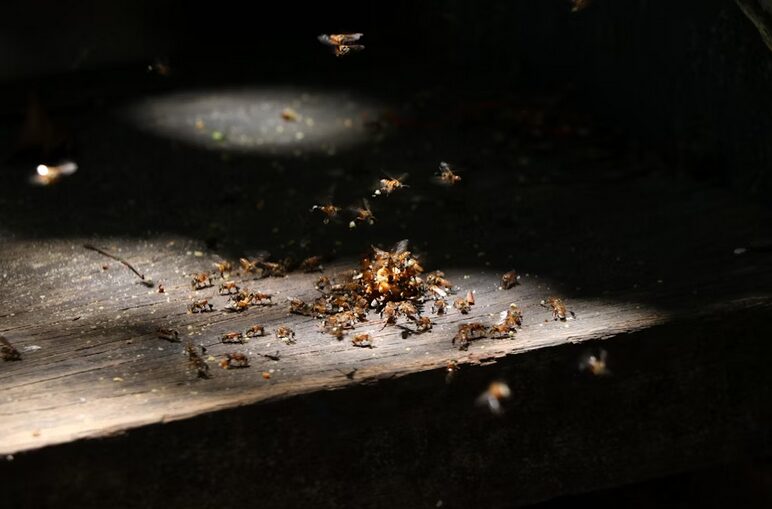
How to Prevent Termite Infestations in Your Garden and Yard
Termites are common destructive pests that can silently damage your garden, lawn, and outdoor structures. These small insects feed on wood, cellulose, and organic matter, making gardens with wooden structures, fences, or mulch particularly vulnerable. Preventing termite infestations requires a combination of proper maintenance, regular inspections, and strategic landscaping practices. Homeowners who take proactive steps can protect their property, preserve wooden outdoor features, and maintain a healthy garden environment. By understanding termite behavior and adopting preventive measures, you can to a large extent reduce the risk of costly damage. Here are some key tips for preventing termite infestations in your garden and yard.
Remove Wood and Debris from the Yard
Termites are attracted to wood and decaying organic matter. Old tree stumps, piles of firewood fallen branches near your home can create a perfect breeding ground. Regularly clearing these materials reduces the likelihood of termites establishing colonies close to your property. If you store firewood, keep it elevated off the ground and away from buildings. Reducing the presence of decaying wood in your yard is a fundamental step in creating an environment less favorable for termites.
Maintain Proper Landscaping Practices
Dense vegetation and improper landscaping can contribute to termite infestations. Avoid planting trees or shrubs very close to your house, as roots and foliage can provide termites with easy access to wooden structures. Maintaining a gap of more than 18 inches between soil and wooden siding, decks, or fences limits the opportunities for termites to travel from the soil into structures. Additionally, keeping plants trimmed and removing excessive mulch helps reduce moisture buildup, which attracts termites.
Control Moisture and Drainage
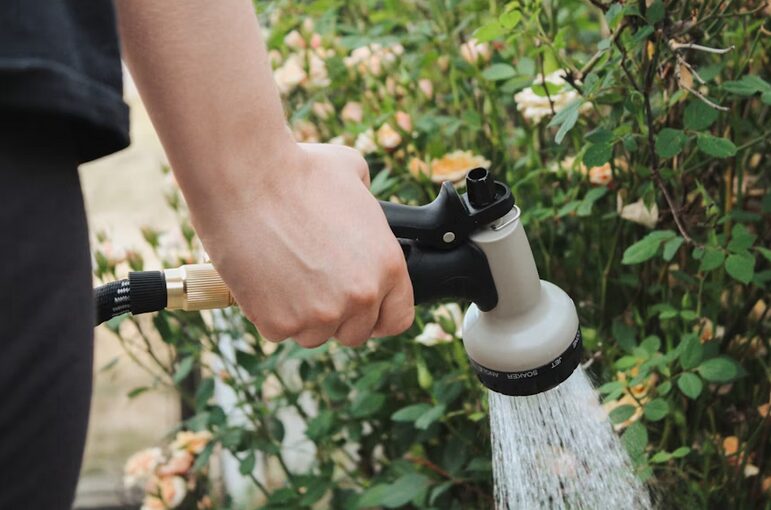
Termites thrive in damp environments, so controlling moisture in your garden and yard is crucial. Ensure that water drains away from your home and avoid overwatering plants near wooden structures. Repair leaking hoses, faucets, or irrigation systems promptly. Standing water or damp soil provides the humidity termites require, making effective drainage and moisture management essential to prevention efforts.
Use Termite-Resistant Materials
Wherever possible, choose termite-resistant materials for outdoor construction. Pressure-treated wood, metal, concrete, and composite materials can reduce the likelihood of infestation. These materials are less attractive or impervious to termites, providing a longer-lasting solution for fences, decks, and garden furniture. Selecting the right materials from the start can save significant maintenance costs and effort in the long term.
Inspect Regularly for Signs of Termites
Frequent inspections of your yard and garden structures are critical for early detection. Look for mud tubes along wooden surfaces, hollow-sounding wood, or tiny wings shed by swarmers. Early identification allows you to act quickly before colonies become established and cause extensive damage. Establishing a routine for checking fences, decks, and other wooden structures helps homeowners maintain control over potential infestations.
Consider Professional Pest Control Treatments
Even with diligent maintenance, some termite infestations may require professional intervention. Pest control specialists can provide preventative treatments using chemical barriers or baiting systems that protect your property from colonies in the surrounding soil. Scheduling regular professional inspections and treatments can be a valuable addition to your prevention strategy, offering peace of mind that your garden and yard remain termite-free.
In conclusion, preventing termite infestations in your garden and yard involves a combination of proper yard maintenance, moisture control, material selection, regular inspections, and professional support. The top six tips—removing wood and debris, maintaining proper landscaping, controlling moisture, using termite-resistant materials, inspecting regularly, and considering professional treatments—provide a comprehensive approach to protecting outdoor spaces. By implementing these strategies, homeowners can minimize the risk of damage to wooden structures, preserve the health of their gardens, and maintain a safe and visually appealing yard. Proactive termite prevention saves both time and money, ensuring that your outdoor environment remains secure and well-maintained for years to come.

 The FHA 203(k) Limited Loan is designed to cover a variety of small-scale home improvements. Eligible repairs include cosmetic updates like painting, flooring changes, and kitchen upgrades. If your bathroom needs a facelift or you’re considering new windows, this loan has you covered. However, not all projects qualify for funding. Major structural work or luxury additions are typically excluded. For instance, if you’re thinking about adding an entirely new room or building a pool, you’ll need to look elsewhere for financing.
 Let’s be honest. Who can 100% enjoy all the complicated, tiring process of applying for multiple loans for your renovation costs? Instead of juggling multiple loans for your mortgage and renovation costs, you can wrap everything into one neat package. That’s the beauty of the FHA 203(k) limited loan. This single mortgage payment makes budgeting much easier.






 Another common myth about asphalt pavement is that it’s only for highways and
 Before the appraiser arrives, take a walk around your property and look for any obvious problems. If you have a cracked sidewalk or a loose doorknob, now is the time to fix them. Not only will this make your home look more appealing, but it will also show the appraiser that you’re taking good care of your property. Cracks in the foundation and peeling paint are also red flags for appraisers, so be sure to fix any of these problems before the appraisal.
 Staging your home is one of the best ways to prepare for an appraisal. This involves making your home look as appealing as possible, which can be done by rearranging furniture, decluttering surfaces, and adding some fresh flowers or scented candles. Some people borrow furniture or accessories from friends to make their home look even more appealing. Just remember to put everything back the way it was before the appraiser leaves. This is so important because appraisers will deduct points if they see that your home is not in its original condition.
 Using a home alarm is a good way to promote safety in the home. An alarm is supposed to notify the necessary authorities in case of a home invasion. The role of a home alarm is also to scare away burglars. When they know that you have a home alarm in your driveway, they will be reluctant about trying to break into your home.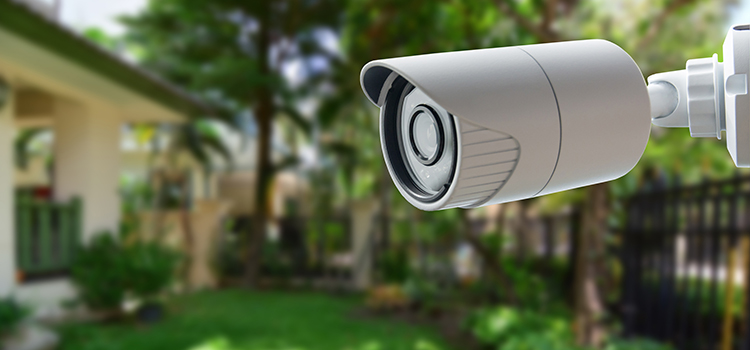

 There has been a constant struggle to get hot water for a bath every morning. Those who live with a big family know that the battle is real. Often, some of them end up showering with cold water as there is no hot water left for them. It is exactly what will happen if you insist on using the conventional heater instead of the tankless version. The previous version is equipped with a tank, meaning that the device does not heat the water on demand. Instead, it starts boiling the water in advance, depending on the amount of water available in the tank. As a result, it is safe to say that fair water distribution is something that these people are missing. Things will be different if you prefer to install the tankless version of the heater. It processes the water on demand, promising a higher rate of water distribution.