
How to Spot Hidden Water Leaks Before They Become Expensive
Hidden water leaks are one of those household problems that can quietly grow into something expensive and stressful before you even realize what’s happening. Unlike a burst pipe that makes itself obvious, small leaks often go unnoticed for weeks or even months. By the time visible damage appears, the repair costs can be much higher than expected. That’s why learning to recognize early warning signs is so important. The good news is that your home usually gives you clues—you need to know where to look.
Unexpected Spikes in Your Water Bill
One of the first and easiest indications of a concealed water leak is an unexplained upsurge in your water bill. If your usage patterns haven’t varied but your bill keeps rising, it could mean water is escaping somewhere in your plumbing system. Even a small, slow leak can waste a surprising amount of water over time. Because it happens out of sight, many homeowners don’t connect the higher bill to a plumbing issue right away. Keeping an eye on monthly usage patterns can help you catch problems early.
Damp or Discolored Walls and Ceilings
Water leaks often reveal themselves through subtle changes in your walls or ceilings. You might notice small yellowish stains, peeling paint, or patches that feel slightly damp to the touch. These signs usually indicate that water is leaking from pipes beneath the surface or from a roof issue above. What makes this tricky is that the visible damage is often far from the actual source of the leak. Even minor discoloration should be taken seriously, as moisture trapped in walls can lead to mold growth and structural damage if left unchecked.
Musty Smells That Don’t Go Away
A persistent musty or earthy smell in your home can also point to hidden water leaks. This odor is often caused by mold or mildew growing in damp, hidden areas such as under floors, behind cabinets, or inside walls. What makes this sign easy to miss is that people often get used to the smell over time. It blends into the background until it becomes strong enough to notice. If you’ve tried cleaning and airing out your home but the smell keeps returning, moisture could be the underlying issue.
Reduced Water Pressure
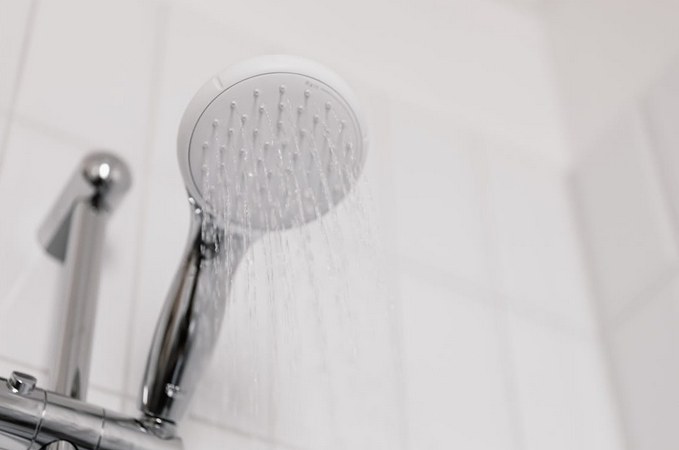
Another subtle warning sign is a noticeable drop in water pressure. If your taps or shower suddenly feel weaker than usual, it may not just be a plumbing inconvenience—it could indicate a leak somewhere in the system. Water escaping from pipes means less pressure reaches your fixtures. While external issues can sometimes cause low pressure, consistent changes inside your home should not be ignored. Paying attention to these shifts can help you identify problems before they worsen.
Sounds of Running Water When Everything Is Off
Hearing water when no taps or appliances are running is a strong indicator of a hidden leak. This might sound like faint dripping, hissing, or even continuous running water behind walls or under floors. These sounds are often easiest to notice at night when the house is quiet. If you consistently hear water movement without an obvious source, it’s worth investigating further. Even small leaks can create audible signs if you listen closely enough.
Checking Your Water Meter for Clues
Your water meter is a useful tool for noticing hidden leaks. If you turn off all water sources in your home and the meter is still moving, it usually means water is escaping somewhere. This simple check can help confirm whether a leak exists before calling a professional. It’s one of the most reliable ways to detect problems early, especially when there are no visible signs yet. Doing this occasionally can save you from major repair costs in the future.
Hidden water leaks may start small, but they can lead to serious damage if left unnoticed. The key is learning to recognize early warning signs, such as rising water bills, damp surfaces, unusual smells, reduced water pressure, and strange sounds. By paying attention to these subtle clues and checking your water meter from time to time, you can catch problems before they become expensive repairs.

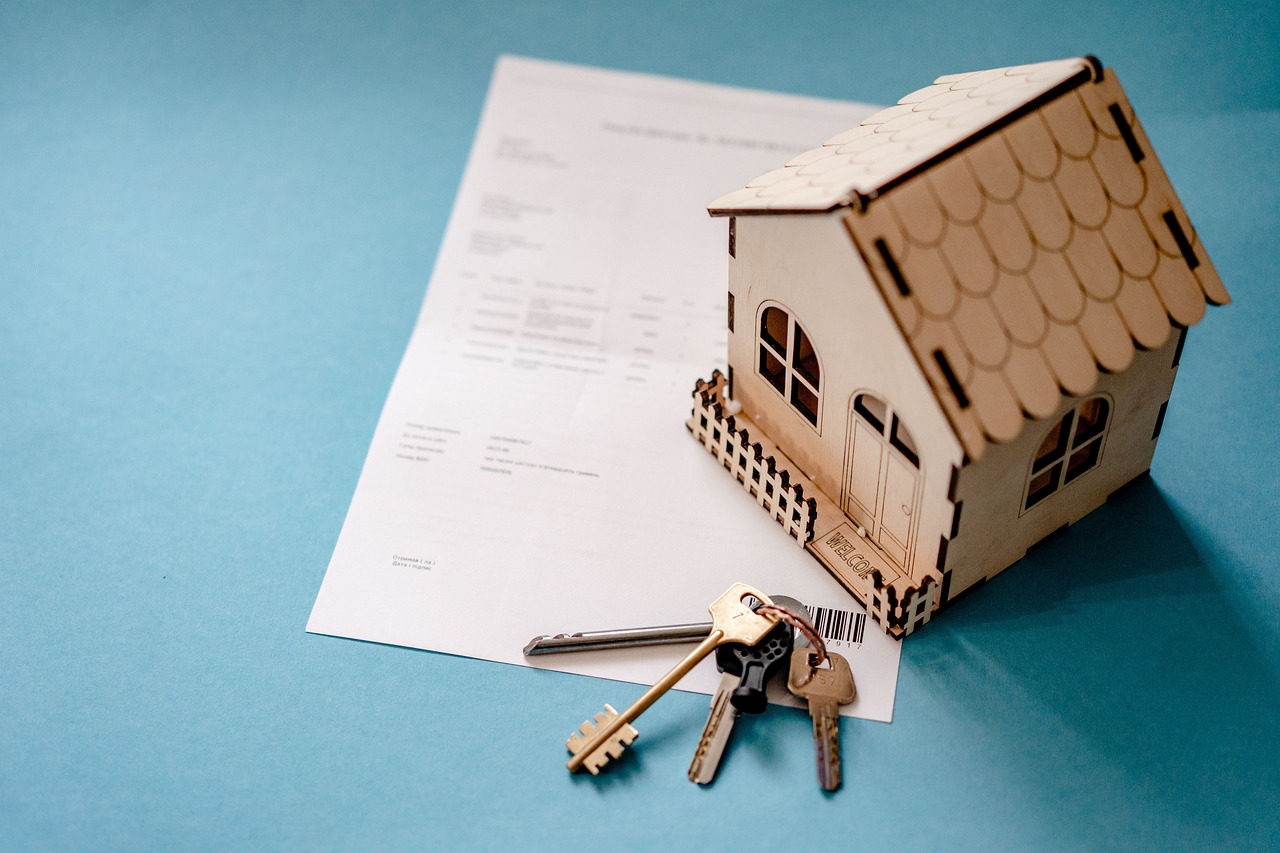
 The FHA 203(k) Limited Loan is designed to cover a variety of small-scale home improvements. Eligible repairs include cosmetic updates like painting, flooring changes, and kitchen upgrades. If your bathroom needs a facelift or you’re considering new windows, this loan has you covered. However, not all projects qualify for funding. Major structural work or luxury additions are typically excluded. For instance, if you’re thinking about adding an entirely new room or building a pool, you’ll need to look elsewhere for financing.
 Let’s be honest. Who can 100% enjoy all the complicated, tiring process of applying for multiple loans for your renovation costs? Instead of juggling multiple loans for your mortgage and renovation costs, you can wrap everything into one neat package. That’s the beauty of the FHA 203(k) limited loan. This single mortgage payment makes budgeting much easier.







 Another common myth about asphalt pavement is that it’s only for highways and
 Before the appraiser arrives, take a walk around your property and look for any obvious problems. If you have a cracked sidewalk or a loose doorknob, now is the time to fix them. Not only will this make your home look more appealing, but it will also show the appraiser that you’re taking good care of your property. Cracks in the foundation and peeling paint are also red flags for appraisers, so be sure to fix any of these problems before the appraisal.
 Staging your home is one of the best ways to prepare for an appraisal. This involves making your home look as appealing as possible, which can be done by rearranging furniture, decluttering surfaces, and adding some fresh flowers or scented candles. Some people borrow furniture or accessories from friends to make their home look even more appealing. Just remember to put everything back the way it was before the appraiser leaves. This is so important because appraisers will deduct points if they see that your home is not in its original condition.
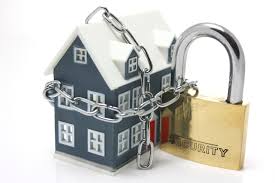 Using a home alarm is a good way to promote safety in the home. An alarm is supposed to notify the necessary authorities in case of a home invasion. The role of a home alarm is also to scare away burglars. When they know that you have a home alarm in your driveway, they will be reluctant about trying to break into your home.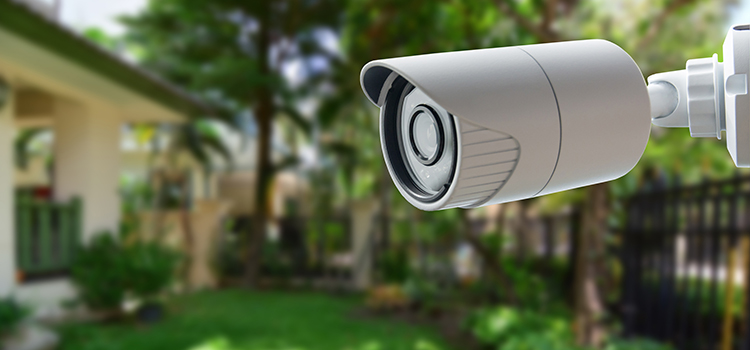

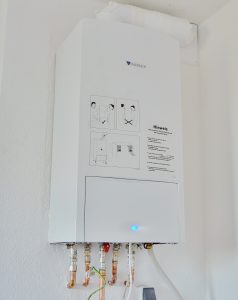 There has been a constant struggle to get hot water for a bath every morning. Those who live with a big family know that the battle is real. Often, some of them end up showering with cold water as there is no hot water left for them. It is exactly what will happen if you insist on using the conventional heater instead of the tankless version. The previous version is equipped with a tank, meaning that the device does not heat the water on demand. Instead, it starts boiling the water in advance, depending on the amount of water available in the tank. As a result, it is safe to say that fair water distribution is something that these people are missing. Things will be different if you prefer to install the tankless version of the heater. It processes the water on demand, promising a higher rate of water distribution.